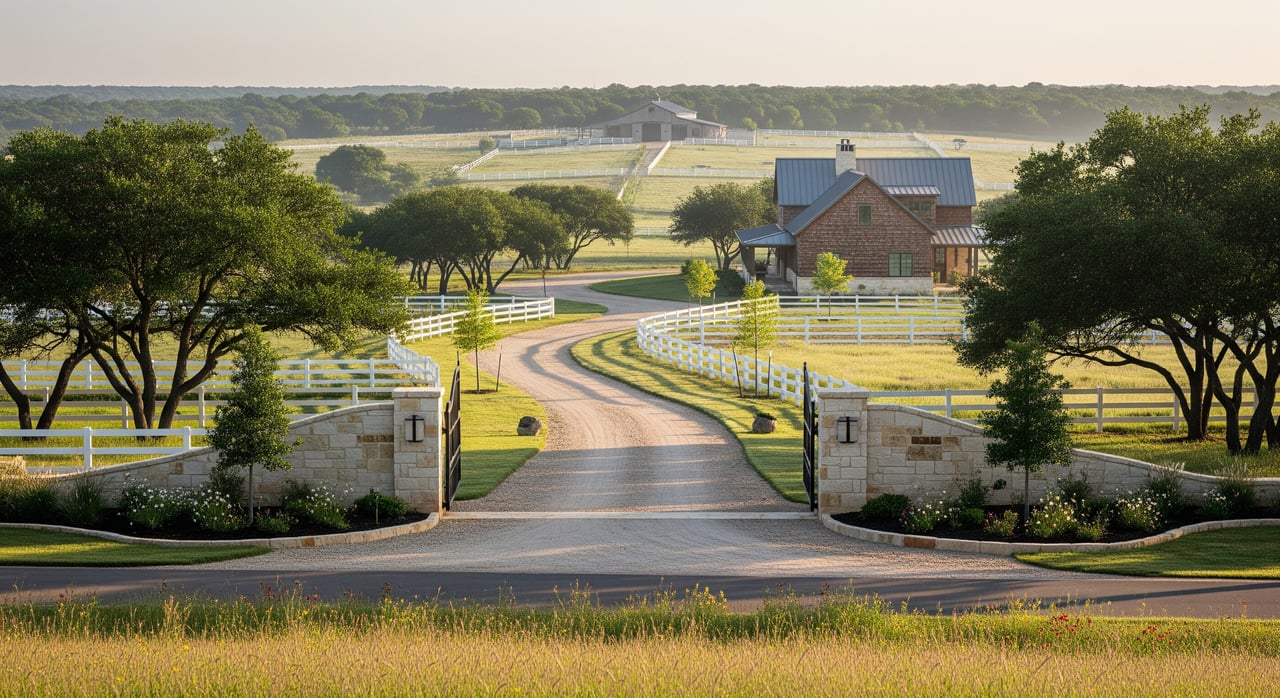
Thinking about trading neighborhood streets for open space and starry skies? Buying land or acreage in Argyle lets you enjoy a semi-rural lifestyle while staying connected to Denton and the Dallas–Plano–Irving corridor. You want privacy, flexibility, and long-term value, but you also want to avoid costly surprises. In this guide, you will learn the key checks, permits, financing basics, and a practical timeline to buy with confidence. Let’s dive in.
Why buyers choose Argyle
Argyle offers larger lots, equestrian-friendly properties, and a relaxed pace within commuting range of major employment centers. You get room to spread out without feeling remote. Many buyers look for one to twenty acres, barns or workshops, and the potential to build a custom home.
Demand in Argyle is shaped by access to Denton, DFW jobs, and nearby suburban amenities. Proximity to main roads, utilities, and services influences price and convenience. School district boundaries can also affect buyer interest and long-term resale.
What drives land value in Argyle
Several factors have an outsized impact on price and usability:
- Location and access to main roads and services
- Parcel size and shape, plus the buildable area
- Utility availability for water, sewer, electricity, gas, and broadband
- Zoning, deed restrictions, and any HOA rules
- Topography, soils, drainage, and floodplain status
- Existing improvements like fencing, barns, wells, or septic systems
- Easements for utilities or access
Understanding these items up front helps you compare properties and avoid issues later.
Top 7 checks before you write an offer
Do these checks early so you can move fast when the right parcel hits the market.
- Confirm legal access
- Verify road frontage or a recorded access easement. Private easements can affect financing and title insurance.
- Ask for the recorded plat or deed references showing access.
- Order a current survey
- A boundary or ALTA/NSPS survey confirms acreage, boundaries, and encroachments.
- Surveys reveal utility or conservation easements that limit where you can build.
- Review zoning and restrictions
- Check Town of Argyle or Denton County rules for minimum lot size, setbacks, and permitted uses.
- Review any HOA or recorded covenants for rules on structures, fencing, and livestock.
- Evaluate water and sewer options
- Many acreage tracts do not have public water or sewer. Plan for a private well and a septic system if needed.
- A soils evaluation or perc test is typically required for septic approval.
- Check soils, topography, and floodplain
- Soils affect septic design, foundation type, and drainage. Steeper sites can raise grading and foundation costs.
- Review FEMA flood maps and county floodplain rules to confirm buildable area and insurance needs.
- Understand mineral rights
- In Texas, mineral rights can be separate from surface rights. Confirm whether minerals are reserved or leased and any surface-use rights.
- Estimate total site costs
- Get quotes for bringing in electric and gas, trenching, driveway access, culverts, clearing, and pad work.
- Utility extensions and site prep can materially change your budget.
Utilities and site feasibility
Water and septic
Public water is not always available on acreage. If no water line serves the tract, you will likely need a private well. Speak with local well drillers about groundwater depth and costs. If the property is not on public sewer, plan for a septic system and obtain a permit after a perc test or soils evaluation.
Electricity, gas, and broadband
Confirm which electric provider serves the area and ask for a cost estimate to extend service to your build site. Natural gas is not universal, so you may choose propane if lines are not nearby. Broadband coverage varies by road and elevation. If you work from home, test cellular coverage and verify internet options before you commit.
Soils, topography, and drainage
Soil types drive foundation design and septic suitability. A geotechnical or soils report can guide your builder on slab type and drainage. Topography and low spots determine cut and fill needs, which affect cost and stormwater design. Always review floodplain maps to ensure your planned homesite sits outside restricted zones.
Zoning, permits, and approvals
Rules differ depending on whether the property sits inside Argyle town limits or in unincorporated Denton County. Confirm the correct authority before you plan your build.
- Zoning and uses: Verify minimum lot size, setbacks, accessory structures, and livestock rules.
- Building permits: Most new construction requires a building permit from the town or county.
- Septic permits: On-site sewage systems require county or state-regulated approvals after site evaluation.
- Well permits or registration: Private wells must follow state and local standards.
- Driveway permits: Connections to county or state roads often require a driveway or access permit.
- Subdivision rules: If you plan to split acreage later, subdivision and platting standards will apply.
Financing your purchase
Vacant land lending is more conservative than traditional home loans. Expect a larger down payment, a higher rate, and shorter loan terms.
Common options include:
- Conventional land loans from local banks or credit unions
- Portfolio loans from community lenders
- Construction or construction-to-permanent loans if you are ready to build
- Agricultural lenders or farm credit institutions for qualifying ag uses
If your end goal is a custom home, a construction-to-permanent loan can align land purchase and build financing. Lenders will review your plans, builder credentials, and permits.
Taxes, title, and surveys
Property taxes on acreage can vary based on improvements and any special districts. Review the Denton County Appraisal District for appraisals and tax history. Ask whether the property is in any special districts that assess for water, sewer, or roads.
Order a title commitment and review exceptions for easements, mineral reservations, liens, and restrictive covenants. Ask your title company about endorsements for access, survey matters, and easements. A current survey is essential for boundary clarity and to identify encroachments or utility corridors.
From offer to closing: a practical timeline
You can customize the timeline based on contingencies, lender needs, and how fast your vendors can schedule tests and surveys.
- Pre-offer preparation
- Discuss budgets for land, site work, and build. Talk with lenders about loan type and timing.
- Line up a surveyor, septic designer, and well driller for quick availability.
- Offer and contract
- Include contingencies for survey, zoning and permit feasibility, septic and well feasibility, floodplain review, and financing.
- Set reasonable deadlines for inspections and vendor reports.
- Due diligence period
- Order the survey and title commitment. Start septic evaluation and confirm well viability.
- Request utility extension quotes. Review soils and topography with your builder or engineer.
- Verify zoning and any subdivision or setback limits with the correct authority.
- Financing and approvals
- Provide lender with survey, title, and feasibility reports. If using a construction loan, supply plans and a builder contract.
- Clear any title issues and finalize insurance and endorsements.
- Closing and next steps
- Once contingencies are satisfied and financing is approved, schedule closing.
- Keep permits and site plans moving so construction can begin on schedule.
Common pitfalls to avoid
- Skipping the survey and relying on old plats or fence lines
- Assuming public water or sewer is available without verification
- Overlooking floodplain, drainage, or soils that restrict your build site
- Ignoring access or utility easements that limit where you can build
- Underestimating the cost and time to extend power or build a driveway
Who to call as you evaluate a property
- Town of Argyle Planning and Zoning or Building Department for zoning and permits
- Denton County for properties outside town limits, septic, floodplain, and driveway permits
- Denton County Appraisal District for appraised values and tax history
- Denton County Clerk or Records for easements, plats, and covenants
- Licensed Texas surveyor, septic designer or inspector, and local well driller
- Lenders who offer land, construction, or agricultural loans
How Pantuso Properties helps
Buying acreage in Argyle involves more moving parts than a typical home purchase. You need a clear plan, local contacts, and a team that can coordinate surveys, feasibility work, and a lender who understands land. With deep experience in custom estates, new construction, and acreage across North Texas, we guide you through each decision point so you can buy with confidence and keep your timeline on track.
Ready to explore the best acreage opportunities in Argyle and nearby communities? Reach out to Pantuso Properties for tailored guidance, vetted vendor referrals, and a private consultation on strategy, pricing, and timelines.
Request a Private Consultation with Pantuso Properties
FAQs
What should I check first when buying Argyle acreage?
- Start with legal access, a current survey, and basic utility feasibility for water, sewer or septic, and electricity. These items shape value, cost, and timing.
How do I know if I can drill a well on my land?
- Ask local well drillers about groundwater depth and production in your area and confirm any permit or registration requirements before closing.
What if the property is not on public sewer?
- You will likely install a septic system. Get a soils evaluation or perc test and confirm permit requirements with the county or town.
Can I finance raw land in Argyle?
- Yes, but terms are often stricter than a home loan. Consider land loans, portfolio lenders, or a construction-to-permanent loan if you plan to build soon.
How do zoning and restrictions affect what I can build?
- Zoning sets minimum lot size, setbacks, and allowed uses, and recorded covenants may add more rules. Verify both before you finalize your plans.
Why do I need a new survey if the seller has one?
- Boundaries, improvements, or easements can change. A current survey protects you and your lender and helps the title company issue the best coverage.
How long does a land purchase take compared to a home?
- It can be similar or longer due to surveys, septic tests, well checks, and lender underwriting. Build in extra time for these steps.