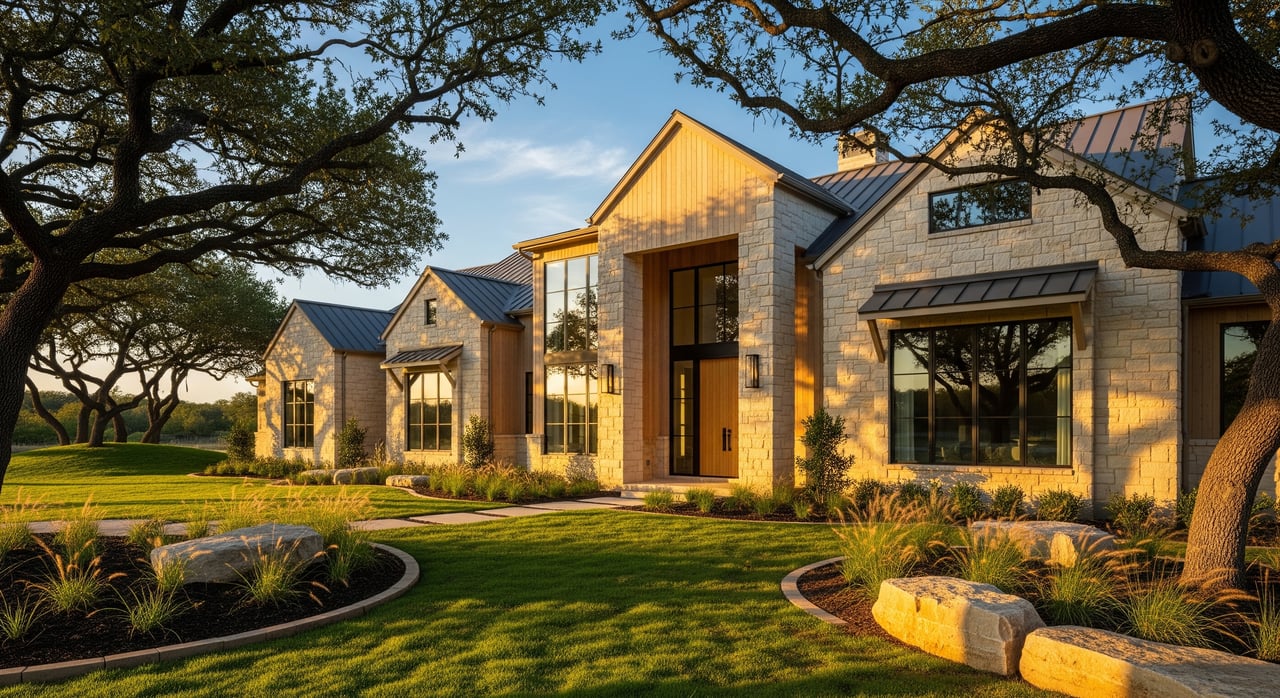
You want the ease, efficiency, and fresh-start feeling of a brand-new home, but the process can feel complex. In Flower Mound, details like lot orientation, builder contracts, utility districts, and upgrade choices all shape long-term value. This guide breaks down every key step so you can buy with clarity and confidence. You will learn how to choose the right community and lot, what to negotiate, how timelines and inspections work, and which upgrades pay off at resale. Let’s dive in.
Why Flower Mound new builds
Flower Mound sits in a mature, high-demand pocket of DFW. Commuting access to Dallas, Grapevine, and DFW Airport, plus regional recreation at Grapevine Lake and Lewisville Lake, supports strong demand. Many buyers also consider school attendance zones, HOA standards, and the quality of master-planned amenities when comparing neighborhoods. These factors often support price premiums compared to some nearby suburbs, though short-term conditions still drive variation.
Choose the right community and lot
Match product type to your plan
- Master-planned communities: amenity-rich, phased buildout with consistent standards.
- Smaller subdivisions or gated enclaves: boutique or custom builders with more uniqueness.
- Quick move-in/spec homes: faster timelines on finished lots.
- Custom builds: lot-only purchases with a builder or architect for a tailored design.
National and regional builders active across DFW include D.R. Horton, Lennar, Pulte, Highland Homes, David Weekley, Meritage, and Toll Brothers, along with local and custom builders. For current communities and offerings, verify details with the Town of Flower Mound Planning Department, builder sites, and local MLS data.
Lot orientation and topography
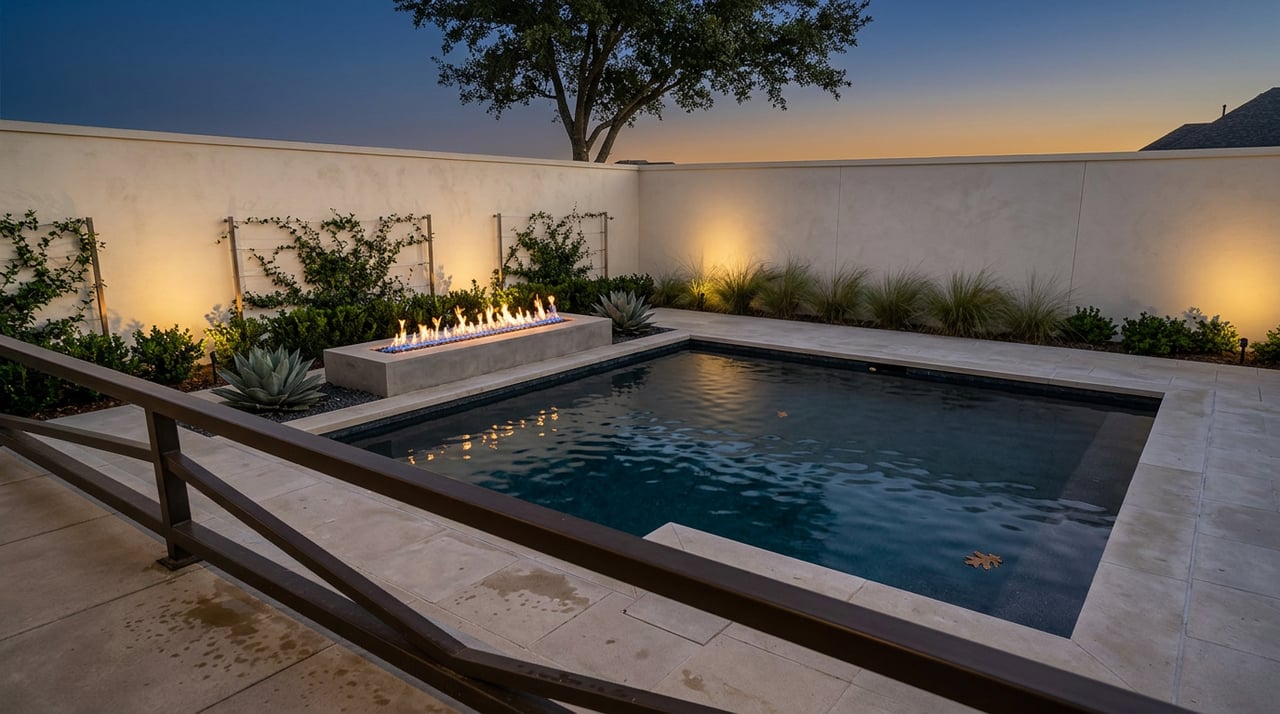
- Sun exposure: south or southwest backyards receive stronger afternoon sun, which affects outdoor living, pool comfort, and solar planning.
- Frontage and setbacks: corner or irregular lots may carry premiums and unique landscaping or setback requirements.
- Drainage: verify finished floor elevation and review floodplain maps. Confirm grading relative to neighbors to avoid pooling.
HOA, CCRs, and architectural rules
Review setback rules, garage and driveway standards, fence and exterior-material requirements, and architectural review timelines or fees. Ask about any construction deposits and how approvals are handled during future remodels.
Lot premiums and location tradeoffs
Cul-de-sac, oversized, lake-view, and water-front lots often include premiums. Confirm the amount and whether anything is refundable if you change plans. Balance commute routes, proximity to major roads, and the location of planned commercial parcels. Verify current school boundaries directly with district sources.
Understand contracts and negotiation
Common contract elements
Builders typically use their own contracts or a Texas Association of Realtors new-construction addendum. Expect to see purchase price and lot premium, allowance schedules, earnest money, and estimated completion dates. Change-order procedures set deadlines for structural and finish selections. Review the warranty statement and dispute resolution terms carefully.
What you can negotiate
- Lot premium or base price concessions.
- Builder-paid closing costs, interest-rate buydowns, or appliance/landscaping credits.
- Inclusion or credit for specific finishes.
- Third-party inspection rights and timing.
Get all concessions documented in the contract to avoid misunderstandings.
Builder preferred lender incentives
Preferred lenders often offer closing-cost credits or rate incentives. Compare the total loan cost, terms, and rate options with independent lenders before deciding. Ensure any lender credit is clearly written into the contract.
Timeline, inspections, and punch lists
Typical build timelines
- Quick move-in/spec: often 30 to 120 days from contract, depending on stage of completion.
- Build-to-order or custom: commonly 6 to 12 months from permit or groundbreaking, with potential extensions for complexity.
Milestones usually run from contract and deposit to permits and foundation, then framing, rough mechanicals, insulation and drywall, interior finishes, exterior work, final inspections, and certificate of occupancy. Weather, permits, materials, and labor can cause delays. Contracts often include estimated dates with allowances for these events.
Independent inspections to schedule
Even new homes benefit from third-party inspections. Consider three key checkpoints:
- Pre-pour foundation.
- Framing, after rough mechanical, plumbing, and electrical.
- Final, close to completion.
Address findings before drywall is closed or prior to final walkthrough.
Punch list and acceptance
Create a written punch list for any incomplete or corrective items. Confirm how and when items will be addressed, and whether occupancy or final acceptance can proceed with open items. Before closing or move-in, verify that the final certificate of occupancy is issued.
Financing new construction
Spec homes usually close with a standard mortgage such as conventional, FHA, or VA. If you are building and the loan funds construction draws, you may use a construction-to-permanent loan or a standalone construction loan with different underwriting, draw inspections, and interest structures. Coordinate mortgage milestones with your builder’s selection deadlines. Pre-approval is not final approval; your lender will complete appraisal and verification near closing.
Taxes, districts, title, and utilities
Property taxes and special districts
New construction can trigger higher appraisals the following tax year. Confirm the effective tax rate across all taxing authorities and whether the property lies in a Municipal Utility District or Fresh Water Supply District. These districts may levy additional assessments that affect your annual carrying cost. Once you occupy, review homestead exemption rules with the county appraisal district.
Title, plat, and HOA documents
Before closing, review the recorded plat for easements, setbacks, and any floodplain notes. Read the CCRs, HOA bylaws, and architectural procedures. Confirm whether streets are public or private and how amenities are deeded and funded for long-term maintenance.
Utilities and permits
Verify water and sewer providers, trash service, and whether the property uses municipal sewer or septic. Flower Mound issues building permits and certificates of occupancy. Check permit status and confirm the final CO prior to closing or possession.
Smart upgrades for resale
High-ROI choices
- Functional floorplan: open main living, a well-situated primary suite, and ample storage.
- Kitchen quality: durable countertops, solid cabinetry, and an attractive appliance package.
- Bathrooms: adding a bath or upgrading the primary and secondary baths.
- Energy efficiency: upgraded windows, HVAC efficiency, and insulation that lower operating costs.
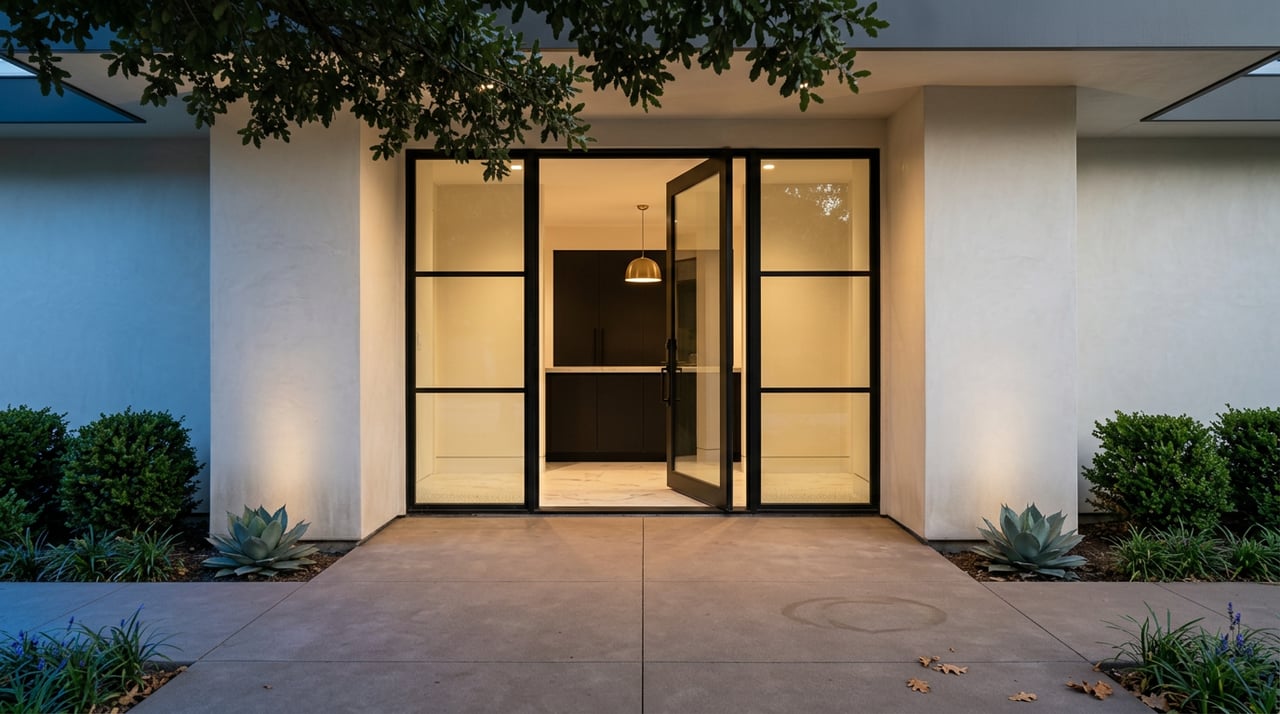
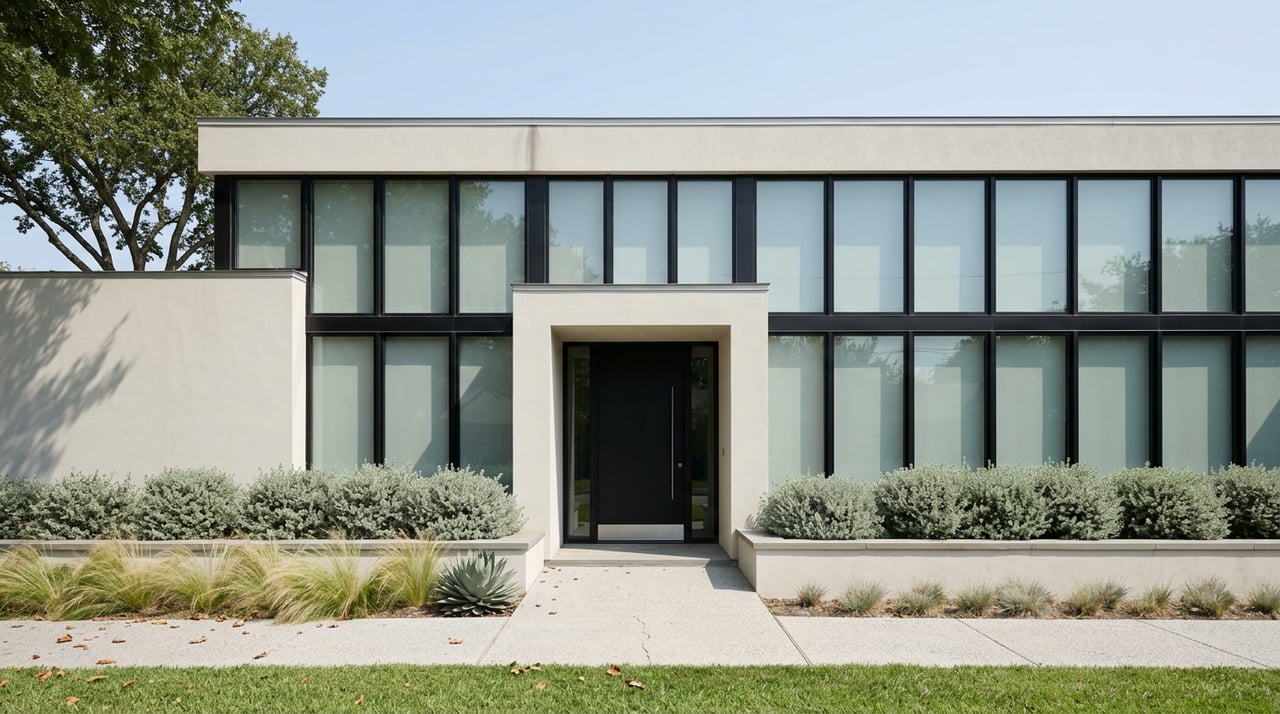
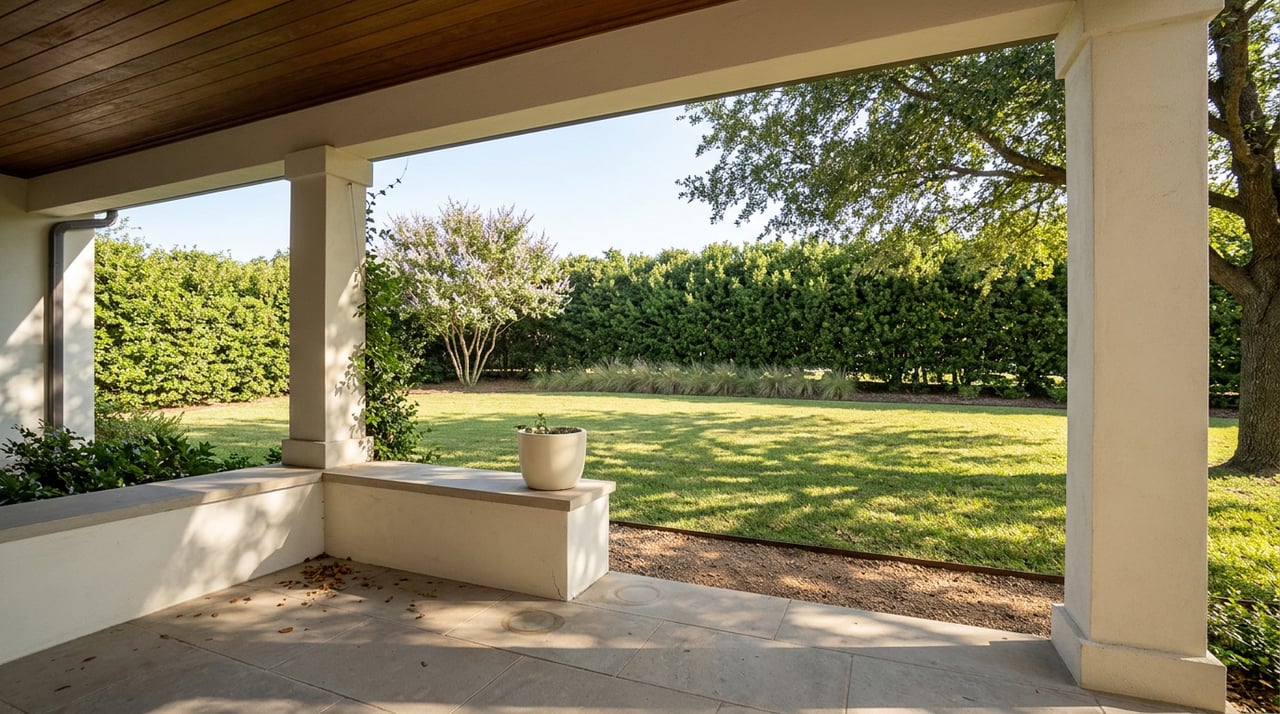
- Curb appeal: quality exterior materials, covered porches, and thoughtful landscaping.
Lower-ROI or niche items
Highly personalized finishes and specialty rooms are harder to recoup. If you love them, enjoy them, but plan for a smaller return at resale.
Lot and orientation for value
Privacy and usable outdoor space matter. Interior lots often sell stronger than homes backing to busy roads. Be mindful of future development plans around the community when evaluating long-term desirability.
The value of a skilled local agent
A seasoned local agent helps you select the right community and lot type, price upgrades strategically, and negotiate builder incentives that matter. You benefit from contract reviews that protect inspection rights, selection windows, and timelines. Your agent can also coordinate third-party inspections, lender timing, and a clean punch-list process before final acceptance. For affluent buyers, this guidance reduces risk and helps you secure the right home with fewer surprises.
Your new construction buyer checklist
Before signing
- Community plat and recorded CCRs.
- Sample contract, base price, lot premium, and allowances in writing.
- Warranty overview and who services claims.
- Estimated property taxes and any MUD or FWSD assessments.
- Disclosure of future phases or adjacent development plans.
After contract
- Confirm upgrade deadlines and change-order pricing schedule in writing.
- Schedule independent inspections at pre-pour, framing, and final.
- Establish a written punch list and repair timeline.
Pre-closing
- Verify final certificate of occupancy.
- Collect warranty documents, equipment manuals, and keys/openers.
- If available, request an as-built survey for your records.
Ready to compare options?
If you want a clear, low-stress path to the right new build in Flower Mound, our boutique team can help you evaluate communities, negotiate incentives, and manage every detail from contract to keys. For discreet, one-on-one guidance, Request a Private Consultation with Pantuso Properties.
FAQs
Should I use the builder’s preferred lender for a Flower Mound new build?
- Builder lenders often offer credits or rate incentives, but you should compare total costs and terms with independent lenders and document any incentives in the contract.
How long does new construction typically take in Denton County?
- Spec homes can be ready in weeks to a few months, while build-to-order or custom homes commonly run 6 to 12 months depending on permitting, weather, materials, and labor.
Do I need independent inspections on a brand-new home?
- Yes, schedule pre-pour, framing, and final inspections to catch issues early and document repairs before closing.
What taxes or districts should I check before I buy?
- Confirm the effective tax rate, whether the property is in a MUD or FWSD with extra assessments, and review homestead exemption rules once you occupy.
Which upgrades add the most resale value in Flower Mound?
- Focus on layout, kitchen and bath quality, energy efficiency, and curb appeal; avoid highly personalized or niche features if resale return is a priority.