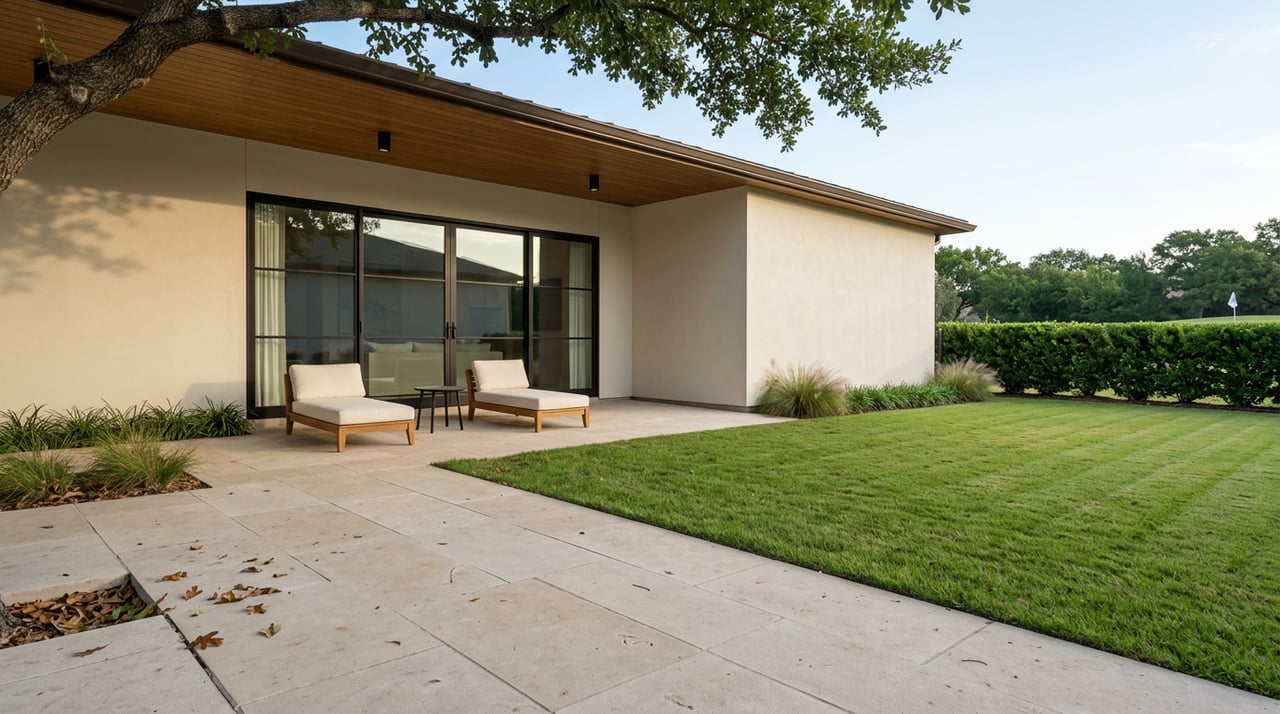
Imagine waking up to wide green views, quiet morning light, and a short stroll to the clubhouse. If the golf lifestyle is calling, Trophy Club offers a polished version of it, with strong amenities and a close-knit feel. Still, life on the fairway comes with unique rhythms and a few tradeoffs. In this guide, you’ll learn what daily life looks like, what to check during due diligence, and how course location can shape resale. Let’s dive in.
Golf living in Trophy Club
What daily life feels like
When your backyard opens to a fairway or green, you enjoy long, manicured views and no immediate rear neighbors. The setting feels park-like and elevates curb appeal. You should also expect early-morning groundskeeping, steady cart traffic during daylight hours, and occasional tournament or social events that bring more activity. Visit at different times to see how privacy and noise fit your comfort level.
The club as your anchor
Trophy Club’s social heartbeat is the Trophy Club Country Club, part of the Invited family. The club features the Ben Hogan and Whitworth courses, dining, fitness, indoor simulator, pools, and racquet sports. Ownership has invested in improvements, including documented enhancements to the Whitworth course, a sign of active maintenance and capital planning that supports long-term enjoyment and value. You can see an example of these efforts in this improvements announcement.
Important note: living on the course does not automatically include club membership. Membership classes and benefits vary, so confirm details directly with the club before you buy.
Parks, schools, and green space
Beyond the fairways, Trophy Club maintains parks, trails, and greenbelts across town. The community is served by Northwest ISD and includes local campuses that many families highlight when comparing suburbs. For a town overview and public amenities, explore the official Town of Trophy Club site. As of 2024, the population sits around 13,700 residents, according to U.S. Census QuickFacts.
Key tradeoffs to weigh
Privacy and people-flow
Backing to a fairway often means fewer direct neighbors and beautiful views. It can also mean golfers passing on cart paths, players searching for errant shots, and periodic spectator presence during events. Lot placement matters. Homes near tee boxes, landing zones, or greens experience different patterns of traffic and noise. Stand in the yard and imagine ball flight paths to gauge your comfort.
Errant balls and insurance
Stray shots do happen. Many homeowners policies cover sudden physical damage, subject to your deductible and policy terms. Courses and individual players are not automatically liable unless negligence can be proven. Before you buy, ask sellers about any prior claims and have your agent review potential coverages and exclusions. For a clear overview of how homeowners insurance works, see this guide.
Course chemicals and water use
A 2025 observational study reported an association between living near golf courses and a higher odds of Parkinson disease. The authors noted potential exposure pathways such as airborne drift and groundwater, while also stating that association does not equal causation. If environmental health is a priority for you, ask the club superintendent about pesticide products, Integrated Pest Management policies, buffer zones, and whether the courses use municipal or reclaimed water. You can review the study summary on PubMed.
HOAs, deed rules, MUDs and PIDs
Most Trophy Club neighborhoods fall under an HOA or POA with enforceable rules for architecture, fencing, screening, exterior colors, and landscaping. Request the CC&Rs, bylaws, architectural guidelines, budget, minutes, and a management or resale certificate prior to going firm. You can locate association records through the Texas HOA management certificate search.
Parts of Trophy Club were built with municipal utility districts and some areas use public improvement districts for infrastructure. These can add separate tax components on top of county, city, and school taxes. Confirm the exact district for any lot and review recent tax bills. For background on local special districts, see TCMUD history.
Property taxes and carrying cost
Effective property tax rates in the area tend to be higher than national averages and can vary by county location, school district, and special districts. Pull the parcel’s calculation from the county appraisal office and verify any MUD or PID taxes to model your true monthly cost. For a summary view of Trophy Club tax trends, review this local tax analysis and confirm figures against county records for the specific address.
Market and resale factors
Trophy Club is one of the higher-priced North Texas suburbs, with course-front homes often commanding a premium tied to views and lot orientation. That premium can support resale, but the buyer pool can be narrower because not everyone wants golfer traffic or HOA constraints. A strong marketing plan should highlight lifestyle and practical mitigations, such as impact-resistant glass, strategic landscaping for privacy, and documented insurance history. Pricing defensibly and positioning to buyers who value the amenity are key to a smooth sale.
How to choose the right lot
Use this quick, practical checklist as you start touring:
- Visit at three times: dawn on a weekday, mid-day, and a weekend afternoon. Note maintenance noise, cart traffic, and sightlines into your yard.
- Stand in the backyard and trace likely shot paths from the nearest tee or landing zones. Look for impact marks and ask for repair histories.
- Request HOA/POA documents early: CC&Rs, bylaws, architectural rules, current budget, reserve study, and minutes covering the last 12–24 months. Also request the management or resale certificate. Start with the Texas HOA search portal.
- Confirm whether the property sits in a MUD or PID and pull the last two years of tax bills. Read up on local special districts via TCMUD.
- Speak with the club membership director about resident-member benefits, initiation and dues, and guest policies. Owning a golf-side home does not equal membership, so verify details with the Trophy Club Country Club.
- Ask the course superintendent for written policies on pest management, fertilizer use, buffer zones, and water sources. If you have environmental concerns, review the 2025 research summary and ask targeted questions.
- Have your insurance agent quote coverage for golf-adjacent risks and review deductibles and exclusions. For a quick primer, see this insurance overview.
Is this lifestyle right for you?
You might love it if you:
- Value open green views and low backyard density.
- Enjoy club amenities, social events, and a refined community feel.
- Are comfortable with HOA guidelines that protect presentation.
You might prefer a different setting if you:
- Want maximum backyard privacy with no foot or cart traffic.
- Are sensitive to early-morning maintenance sounds during peak season.
- Prefer minimal rules around exterior changes and landscaping.
Next steps
If the fairway lifestyle fits your vision, the right lot and due diligence will make all the difference. Our team understands course orientation, HOA nuance, and the factors that drive premium resale in Trophy Club and nearby North Texas suburbs. When you are ready to tour, compare, and model the full cost of ownership, connect with us for a confidential game plan.
Ready to explore Trophy Club golf homes with a trusted local advisor? Request a Private Consultation with Pantuso Properties.
FAQs
Do Trophy Club golf homes include a club membership?
- No. Course-side ownership does not include club membership. Contact the Trophy Club Country Club to review membership classes, initiation, and dues.
How noisy is morning maintenance behind fairway homes?
- Expect early-morning activity from mowers and blowers during the growing season. Visit at daybreak on a weekday to gauge your comfort with routine noise.
Are Trophy Club golf homes usually in an HOA, and what rules apply?
- Many subdivisions have HOAs with enforceable design and use standards. Review CC&Rs, budgets, and minutes and search records using the Texas HOA certificate portal.
How do property taxes work for golf-course homes in Trophy Club?
- Taxes vary by county, school district, and any MUD or PID. Review recent tax bills and district details and consult a local tax trends summary while verifying against county records.
Is there a health risk from course chemicals near homes?
- A 2025 observational study found an association, not proof, between proximity to courses and higher odds of Parkinson disease. Review the PubMed summary and ask the club about IPM and buffer policies.
Will my homeowners insurance cover golf ball damage?
- Many policies cover sudden physical damage, subject to terms and your deductible. Ask your insurer about coverage specifics and see this insurance guide for an overview.